

In Episode 27 we talk to Taiyaba Husain about recent incidents of racism at USC and how to empower students to challenge racism in the classroom, the university, and everywhere they find it.
Tag Archives: Teaching
26. Office Hours w/ Katie and Dan
In our first “Office Hours” episode, Katie and Dan discuss listener-submitted questions, comments, and concerns about teaching and learning online this semester.
25. Teaching through Contingency w/ Michelle Meyers & Ryan Leack

In Episode 25 we talk to Michelle Meyers and Ryan Leack about the issues facing part-time/ contingent faculty–especially during a global pandemic and a time of economic uncertainty.
24. Letting Our Students Lead in Digital Spaces w/ Rochelle Gold & Liz Blomstedt

In Episode 24, we talk to Rochelle Gold and Liz Blomstedt about the democratizing potential of multimodal and online writing assignments, embracing new citation practices, navigating inequities on online platforms, and letting students lead the way in digital spaces.
22. Privileging Oral Stories w/ Shenishe Kelly
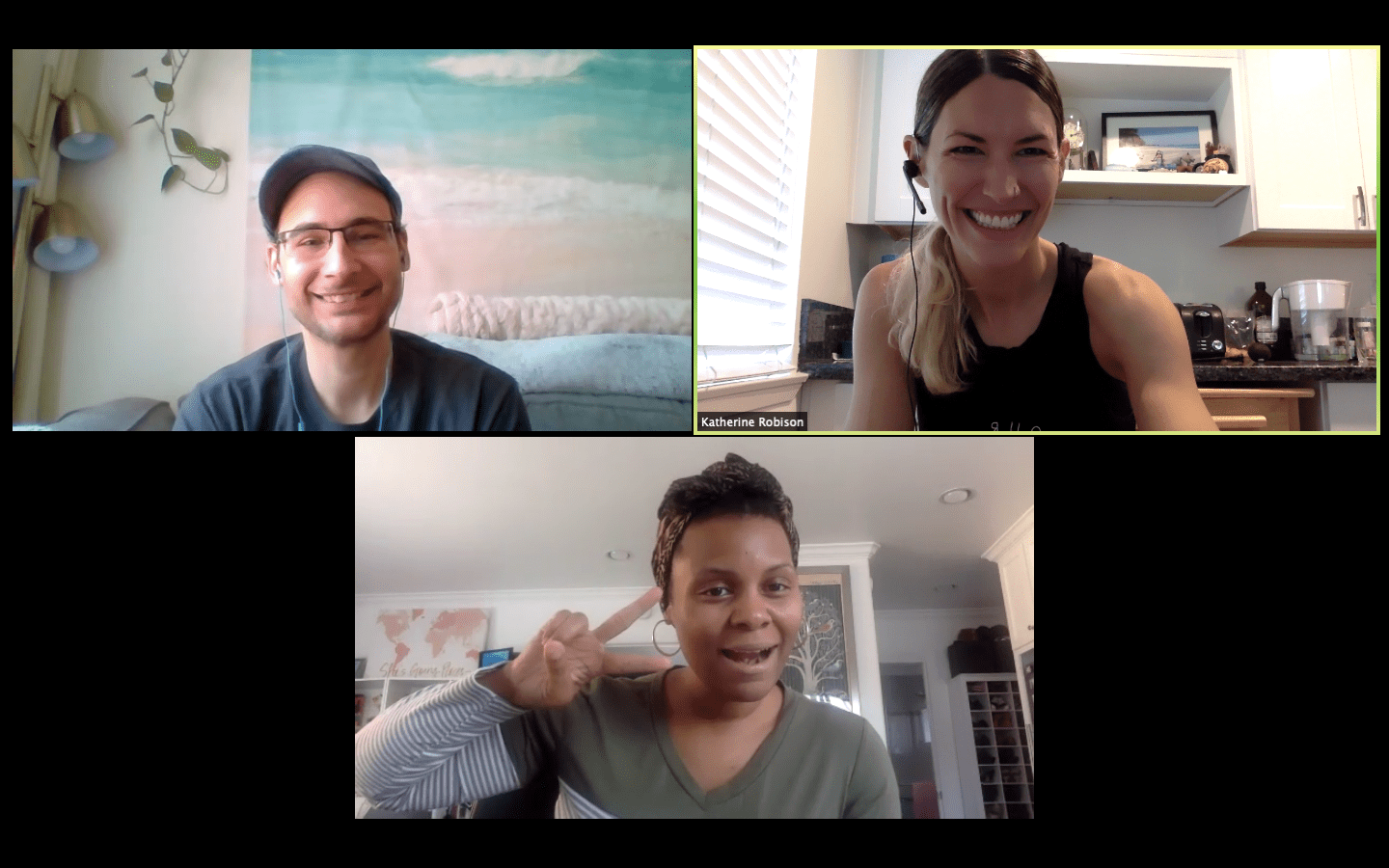
In Episode 22, we talk to Shenishe Kelly about the importance of teaching non-canonical and oral stories and encouraging students to bring their textual lineages into the classroom with them.
21. Repurposing Genre w/ Michelle Brittan Rosado & Corinna McClanahan Schroeder

In Episode 21, we talk to Michelle Brittan Rosado and Corinna McClanahan Schroeder about bringing a sense of play to the composition classroom and repurposing genre in our writing.
19. Embracing a Messy Identity w/ Meghan P. Nolan

In Episode 19, we talk to Meghan P. Nolan about identity fragmentation and embracing our fullest, messiest selves–and empowering our students to do the same.
18. Teaching Inside the Prison System w/ Kate Levin & Nicholas De Dominic

In Episode 18, we talk to Professors Kate Levin and Nicholas De Dominic of the USC Writing Program about their work with the Prison Education Project and the obligation an institution like USC has to the incarcerated population.
17. Challenging Power Structures in Music Education w/ Meagan Dissinger
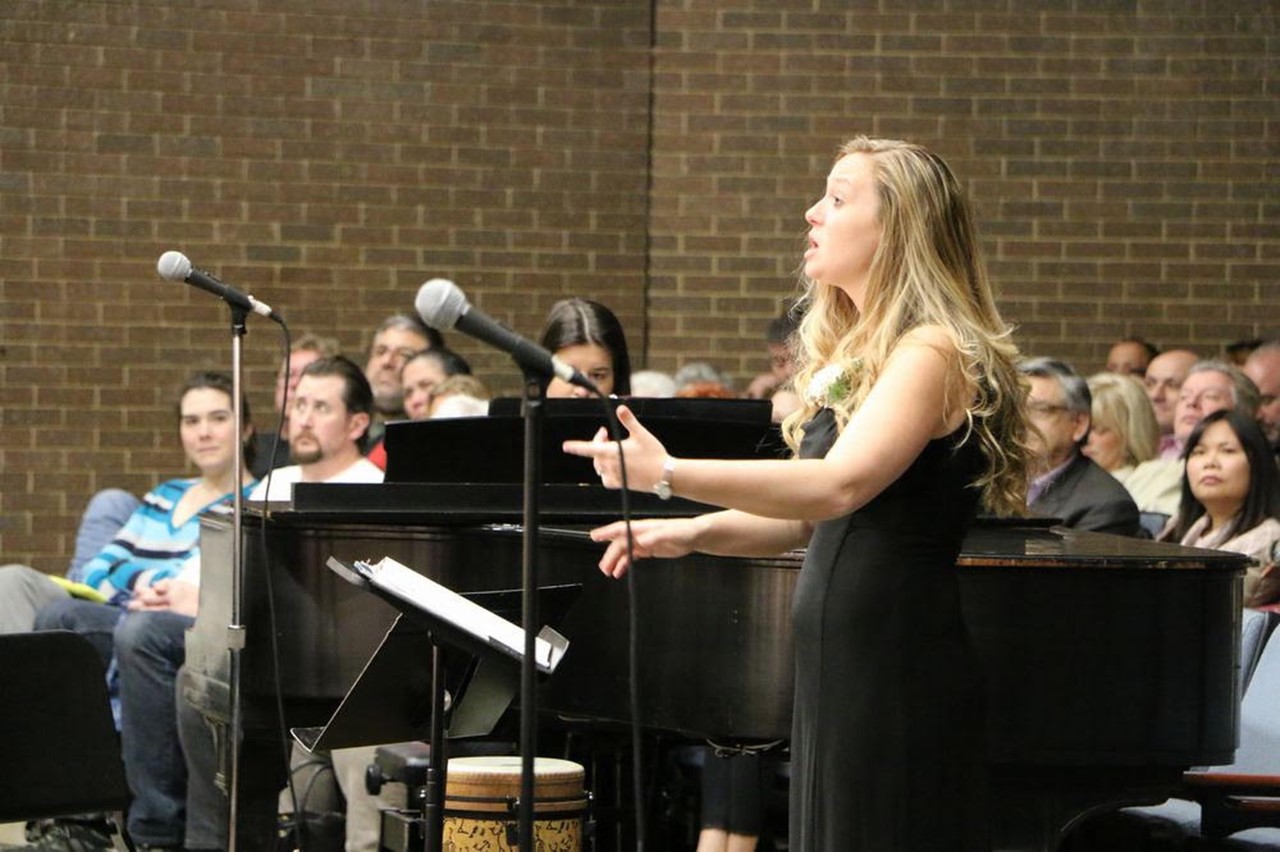
In Episode 17, we talk with Meagan Dissinger about using culturally responsive teaching in music education, deconstructing power structures in the music classroom, and teaching music virtually during the current moment.
16. Rebuilding the University w/ Stephanie Bower & John Murray
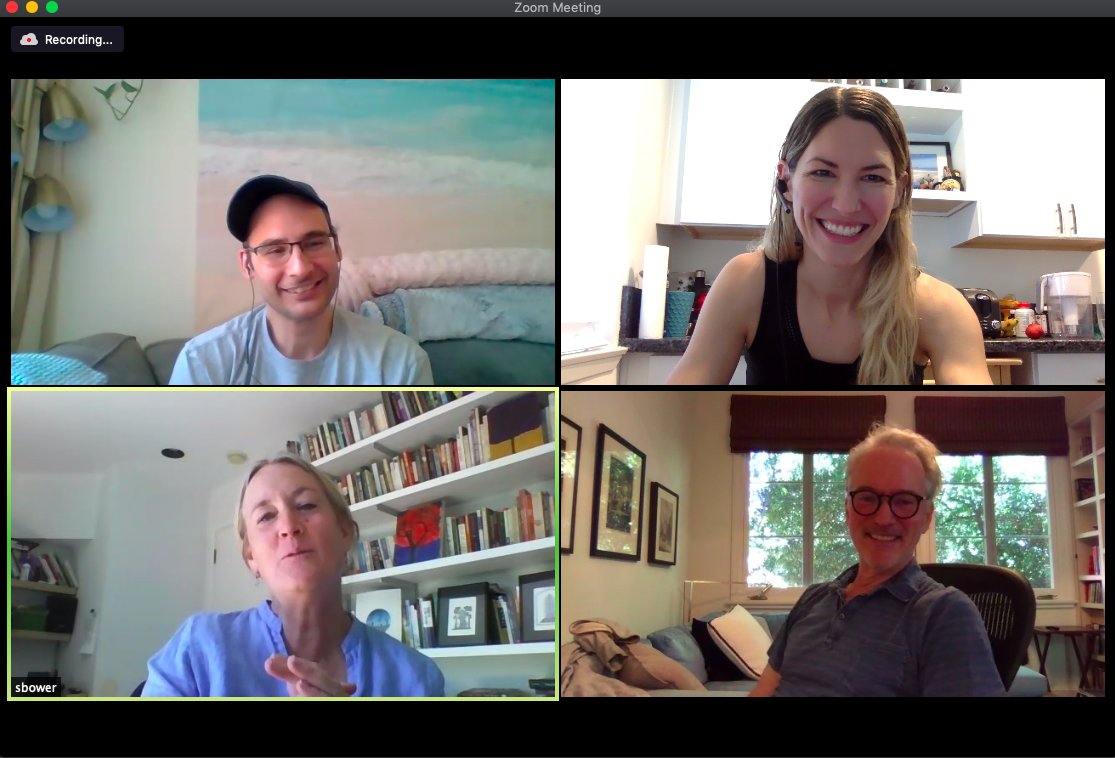
In Episode 16, we talk to Stephanie Bower and John Murray about incorporating multimodal and experience-based assignments into their courses, building relationships with local communities, reframing service learning as a form of activism, and turning to abolitionist pedagogy as a model for dismantling and rebuilding the University.
 Writing Remix Podcast